
Attachment Focused Therapy

Your earliest relationships live on in your nervous system
Before you had words for it, you were already learning. Whether the world felt safe or unpredictable. Whether closeness was comforting or something to be wary of. Whether your needs would be met, missed, or misunderstood.
These weren’t lessons you chose. They were adaptations your nervous system made — quietly, automatically — to help you stay connected and survive.
Attachment patterns are not character flaws. They are intelligent responses to the environment you grew up in.
Many people did not grow up with caregivers who could offer consistent safety and attunement — even when those caregivers were loving and well-intentioned. Stress, trauma, and their own unhealed wounds get in the way. The developing nervous system adapts to what’s available.
And those adaptations tend to follow us. You may recognize them as:
- Difficulty trusting or relying on others
- Fear of closeness or fear of abandonment
- Over-functioning or people-pleasing
- Emotional overwhelm or shutdown
- Feeling “too much” or “not enough”
- Difficulty settling in relationships
These are not signs that something is wrong with you. They are signs that something happened to you — and that your system did exactly what it needed to do.
The good news: your attachment system can change
For a long time, attachment patterns were thought to be fixed — something shaped early that you simply carried forward. But neuroscience has changed that story.
Through what we now understand about neuroplasticity, the brain’s capacity to reorganize and form new pathways, we know the attachment system is not set in stone. It can shift. It can heal.
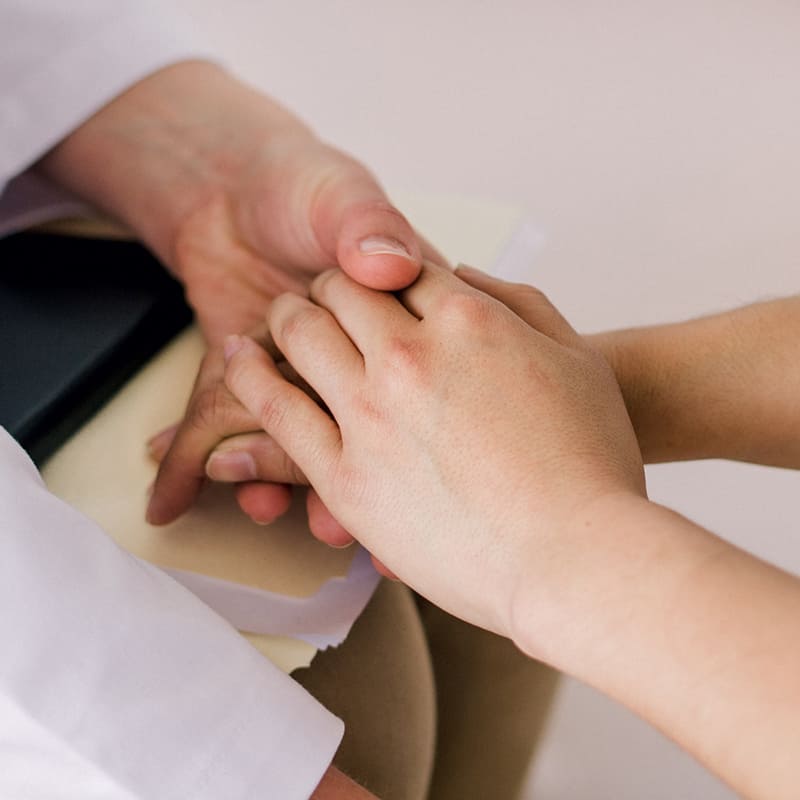
What that can look like in real life:
- Feeling settled and safe in relationships, with others and with yourself
- Being at ease in social settings without the undercurrent of fear
- Relaxing and being present with your children instead of bracing for what might go wrong
- Having fun. Enjoying life. Worrying less about the future.
This doesn’t happen through insight alone. It happens through new experiences of safety, attunement, and regulation — repeated over time. Slowly, the body learns that things are different now. That is the work we do together.
This is slow, real work. But for many people, it becomes the most important thing they’ve ever done for themselves.